
 Facebook
 X
 Pinterest
 Copy Link
The Move Meter: Elevate Your Move with this wonderful tool by Coldwell Banker

Considering a move? While relocating is exhilarating, it can also feel daunting. To simplify the process, turn to the Coldwell Banker Move Meter. In this guide, we seamlessly blend expert tips and answers, ensuring a smoother transition.
Elevate Your Move with the Coldwell Banker Move Meter
The Coldwell Banker Move Meter is a cutting-edge tool designed to simplify the moving process.
Here’s how it can elevate your move:
1. Streamline Your Moving Plan
Planning is the cornerstone of a successful move. With this Coldwell Banker exclusive tool, you can create a detailed moving plan. It helps you organize tasks, set timelines, and stay on top of everything, reducing last-minute stress.
2. Find the Perfect Neighborhood
Moving? This tool helps you find neighborhoods that fit your needs like schools, amenities, and safety, making your transition smoother.
3. Calculate Your Budget Effectively
Planning a move budget can be challenging. This tool makes it easier by factoring in transport, packing, and unexpected costs, guiding you to a practical budget
4. Get Expert Guidance
This Colwell Banker exclusive tool connects you to seasoned real estate experts who give insights, handle deals, and help navigate the home buying or selling journey.
5. Stay Informed with Market Trends
Grasping the real estate market is key. This tool also offers current data and trends, helping you make smarter moving decisions.
Upgrade your move with the Coldwell Banker Move Meter for a stress-free relocation. Efficiently plan, find the best neighborhood, and stay updated on the market. Enjoy a seamless transition to your new home.
Thinking about moving far from your current city? We advise that you read this!
Dreaming of Places Far, Far Away? This Coldwell Banker Data Shows High Rate of Out-of-State Searches
CB Estimate Tool – Unlocking your Home’s Value

In today’s fluid real estate landscape, knowing your home’s value is key. Whether selling, refinancing, or just curious, accurate data matters. Enter the CB Estimate Tool. In this article, we’ll highlight how this tool seamlessly unveils your property’s real worth.
1. What is the CB Estimate Tool?
Diving into the CB Estimate Tool, it harnesses advanced algorithms to give homeowners precise property valuations. Instead of leaning on outdated or subjective methods, this tool taps into real-time data, ensuring accuracy.
2. Understanding Home Valuation
Before exploring the CB Estimate Tool, let’s understand home valuation. Factors like location, size, condition, and local sales shape your property’s worth. This tool, seamlessly integrating these variables, provides a grounded valuation.
3. Benefits of Using the CB Estimate Tool
Unlocking your home’s value:
- Accurate Valuation: Say goodbye to guesswork. This tool provides a highly accurate estimate based on current market conditions.
- Instant Results: Get your home’s value at your fingertips within minutes, eliminating the need for time-consuming appraisals.
- Smart Decision-Making: Whether you’re selling, refinancing, or planning renovations, knowing your home’s value empowers you to make informed decisions.
- Property Insights: Gain valuable insights into your property’s strengths and areas that may need improvement.
- Free Access: This tool is often available for free, making it a cost-effective solution for homeowners.
4. How Does this tool Work?
This tool employs a complex algorithm that considers a wide range of data points:
- Recent property sales in your area.
- Local market trends.
- Property size, condition, and features.
- Comparable property values.
- Economic indicators affecting the real estate market.
5. Unlocking Your Home’s Value: Introducing the CB Estimate Tool
Now, let’s explore how you can use this tool to unlock your home’s value. Follow these simple steps:
- Access the Tool: Start by finding a reputable website or platform that offers the tool.
- Enter Property Details: Input your property’s address, size, and other relevant information as prompted.
- Receive Your Estimate: Within moments, you’ll receive an estimated value for your home.
- Review the Report: Take the time to review the detailed report provided by the tool. It may include information on comparable sales, market trends, and more.
- Utilize the Information: Armed with your home’s estimated value, you can make informed decisions about selling, refinancing, or improving your property.
In today’s dynamic real estate world, understanding your home’s value is crucial. Enter the CB Estimate Tool. It offers swift, insightful estimates, guiding homeowners in their decisions. While not a full appraisal, it’s a solid jump-off point for gauging property worth.
Renting vs Buying: Breaking Down the Financial and Lifestyle Differences

Choosing where to live is a big decision. One of the biggest questions is: should you rent or buy a home? This choice between renting vs buying depends on many things like how much money you have, what you want for your future, and what you like. In this article, we’ll talk about the differences in money and lifestyle for both renting and buying a home. By the time you finish reading, you’ll have a better idea of what’s best for you.
Rent or Buy?
Understanding Renting
The Pros of Renting
Flexibility
One of the main benefits of renting is its flexibility. For instance, when you rent a home, you can move around whenever you want. So, if there’s a new job or you just want a different view, renting lets you make those changes without being tied down by owning a home.
Lower Upfront Costs
Renting typically requires a smaller upfront financial commitment than buying a home. While you may need to pay a security deposit and possibly the first month’s rent, it pales in comparison to a down payment on a house, which can be a substantial sum.
Reduced Maintenance Responsibilities
For many renters, there’s a big plus: they usually have fewer maintenance tasks to worry about. For example, landlords often handle the big repairs. This means renters can save both money and time compared to homeowners.
The Cons of Renting
No Equity
Perhaps the most significant drawback of renting is that you do not build equity in the property. Each month’s rent payment essentially goes toward your landlord’s equity rather than your own financial future.
Lack of Control
Renters have limited control over the property. You must abide by your landlord’s rules and regulations, which can restrict your ability to personalize your living space.
Rent Increases
Rental agreements are subject to periodic rent increases, potentially leading to higher living costs over time. This lack of predictability can be a concern for renters.
Exploring Homeownership
The Pros of Buying
Building Equity
Owning a home allows you to build equity over time. As you make mortgage payments, you are gradually increasing your ownership stake in the property, which can be a valuable asset for your financial future.
Personalization
Homeownership grants you the freedom to personalize your living space to your heart’s content. You can paint the walls, renovate the kitchen, and make the house truly yours.
Stability
Buying a home often provides a sense of stability and permanence. You’re not subject to the whims of a landlord or the uncertainty of lease renewals.
The Cons of Buying
Financial Commitment
Homeownership requires a substantial financial commitment upfront. This includes the down payment, closing costs, and ongoing expenses like property taxes and maintenance.
Less Flexibility
Compared to renting, buying a home can limit your flexibility. It’s a more permanent commitment, making it challenging to relocate quickly.
Market Risks
The real estate market can be unpredictable. The value of your home may fluctuate, impacting your overall financial stability.
Making the Decision
To rent or to own. Think about your money, your future plans, and what you like in life. It’s important to choose what’s best for your wallet and makes you happy. Both choices have good and bad points. Your decision between renting vs buying should match what you need and want for your future. Whether you pick the freedom of renting or the security of owning a home, make sure it’s the right choice for you.
Considering a move?
Use data to compare where you live to where you want to move next.
Energy-Saving Homes: Top 5 Benefits

In an era marked by growing environmental conscious ness and rising energy costs, energy-efficient or energy-saving homes have become indispensable. (what is an energy-efficient home?-click here)
They are designed to consume less energy, reduce their environmental impact, and offer financial savings. Now, let’s delve into the top five advantages of energy-saving homes.
1. Lower Energy Bills
Firstly, energy-saving homes are designed to cut down your bills. They come with features like strong insulation and smart devices. Secondly, they use efficient tools like LED lights and smart thermostats. So, they need less energy for heating or cooling and daily chores. As a result, by the end of the year, you might save hundreds or thousands of money.
2. Reduced Environmental Impact
Energy-saving homes are better for the environment. They use less energy, so they cause less pollution. Many also use things like solar panels or wind turbines. By choosing green options for your home, you’re helping fight climate change and keep the Earth safe for future generations.
3. Improved Indoor Comfort
Energy-saving homes keep your house comfy all year. They’re well-insulated, have no drafts, and keep the air dry. This means your home stays at a steady temperature and the air is cleaner. So, your home feels nicer to live in.
4. Increased Property Value
Making your home energy-smart can raise its value. More buyers now want homes that save money and are green. Things like top-rated appliances, better heating and cooling, and smart tech can make your home worth more when selling.
5. Long-Term Savings
Energy-saving homes save you money now and later. Spending on smart upgrades means lower bills and fewer fixes later on. Many green items last longer, so you replace and repair less. In the end, these homes are a good deal and give you peace of mind.
Firstly, energy-saving homes save you money. Secondly, they help the environment. Not only do they make living more comfy, but they also boost your home’s worth. So, putting money into such homes is wise. It’s good for your wallet and for our planet’s future.
(Contact me if you want to know more, I can help you with anything about real estate.)
Staging Your Home to Sell Faster: Proven Strategies to a Swift Sell and at a Higher Price

Selling a home is a major endeavor with two primary goals: To sell fast and the highest price. Home staging is a potent tool to meet these aims. In this article, we’ll uncover the art of home staging and its tried-and-true tactics to accelerate your sale and boost the price.
What is Home Staging?
Defining the Concept
Home staging is the art of preparing your home for sale by highlighting its best features and creating an inviting atmosphere that appeals to potential buyers. It involves optimizing the visual appeal of your property to make it more attractive to a wide range of buyers.
The Importance of First Impressions
First impressions are crucial in the real estate market. Buyers often decide whether they like a property within the first few seconds of entering. Home staging aims to make those initial moments memorable and positive.
Benefits of Home Staging
Maximizing Your Sale Price
One of the primary benefits of home staging is that it can significantly increase the sale price of your home. A well-staged home tends to attract more buyers, which can lead to competitive bidding and ultimately a higher selling price.
Reducing Time on the Market / Sell Faster
Another advantage of home staging is that it can help you sell your home faster. Homes that are professionally staged tend to spend less time on the market compared to their non-staged counterparts.
Proven Home Staging Strategies to Sell Faster
Decluttering and Depersonalizing
Before you stage your home, it’s essential to declutter and depersonalize the space. Remove personal items, excess furniture, and any clutter that may distract potential buyers. This creates a clean and neutral canvas for them to envision their own lives in the space.
Enhancing Curb Appeal
The first thing potential buyers see is the exterior of your home. Enhancing your home’s curb appeal by tidying up the landscaping, painting the front door, and adding some potted plants can make a significant difference in attracting buyers.
Proper Furniture Arrangement
Optimal furniture arrangement can make your home appear more spacious and functional. Consider arranging furniture to create open pathways and highlight the flow of each room.
Effective Lighting
Good lighting can transform a space. Make sure your home is well-lit, both naturally and artificially. Consider using higher-wattage bulbs and strategically placing lamps to create warm and inviting spaces.
Neutral Color Palette
When it comes to wall colors and decor, sticking to a neutral palette is a safe bet. Neutral colors appeal to a broader range of buyers and make it easier for them to envision their own style in the space.
Artful Home Staging
Consider hiring a professional home stager who can bring in art, decor, and accessories that enhance the overall look of your home. They have an eye for detail and can make your property stand out and sell faster.
In summary, home staging is a key tactic to sell faster and at a premium. With the strategies shared in this article, you’ll craft a captivating environment that not only attracts buyers but also makes your home stand out in the marketplace.
The Top 5 Benefits of Real Estate Investing

Real estate investing is a well-known way to grow your wealth. Thinking about where to invest? Here are the top 5 reasons to choose real estate. In this guide, we’ll explore each benefit to help you make smart choices and secure a brighter financial future.
Cash Flow / Passive Income
Investing in real estate can give you a regular income. Whether it’s from rental homes or REITs, you can get extra money every month. This can add to your paycheck or retirement savings, offering financial stability and chances for more investments.
Appreciation of Property Value Over Time
A major perk of real estate investing is property value growth. As time goes on, your property’s worth often goes up, giving you notable profits. This can greatly raise your net worth, marking real estate as a strong long-term choice.
Tax Advantages
Real estate investors can enjoy several tax perks. They can deduct things like mortgage interest, property wear and tear, and upkeep costs. Plus, profits from selling properties might have lower taxes, boosting your earnings even more.
Portfolio Diversification
Spreading your investments helps manage risk. Real estate is a great way to mix things up beyond just stocks and bonds. By investing some money in property, you can make your portfolio safer and more stable.
Hedge Against Inflation
Inflation erodes the value of money over time. Real estate investments, however, often appreciate at a rate that outpaces inflation. This means your real estate assets become more valuable in the face of economic inflation, safeguarding your purchasing power.
Investing in real estate offers many benefits. It can give you a regular income, help you grow your wealth, and secure your financial future. Here are the top 5 reasons why so many people include real estate in their investments. For the best results, always do your research, get advice from experts, and regularly check your strategy. With careful planning and smart choices, real estate can help you reach your money goals.
The Importance of Location: What to Consider When Choosing a Neighborhood
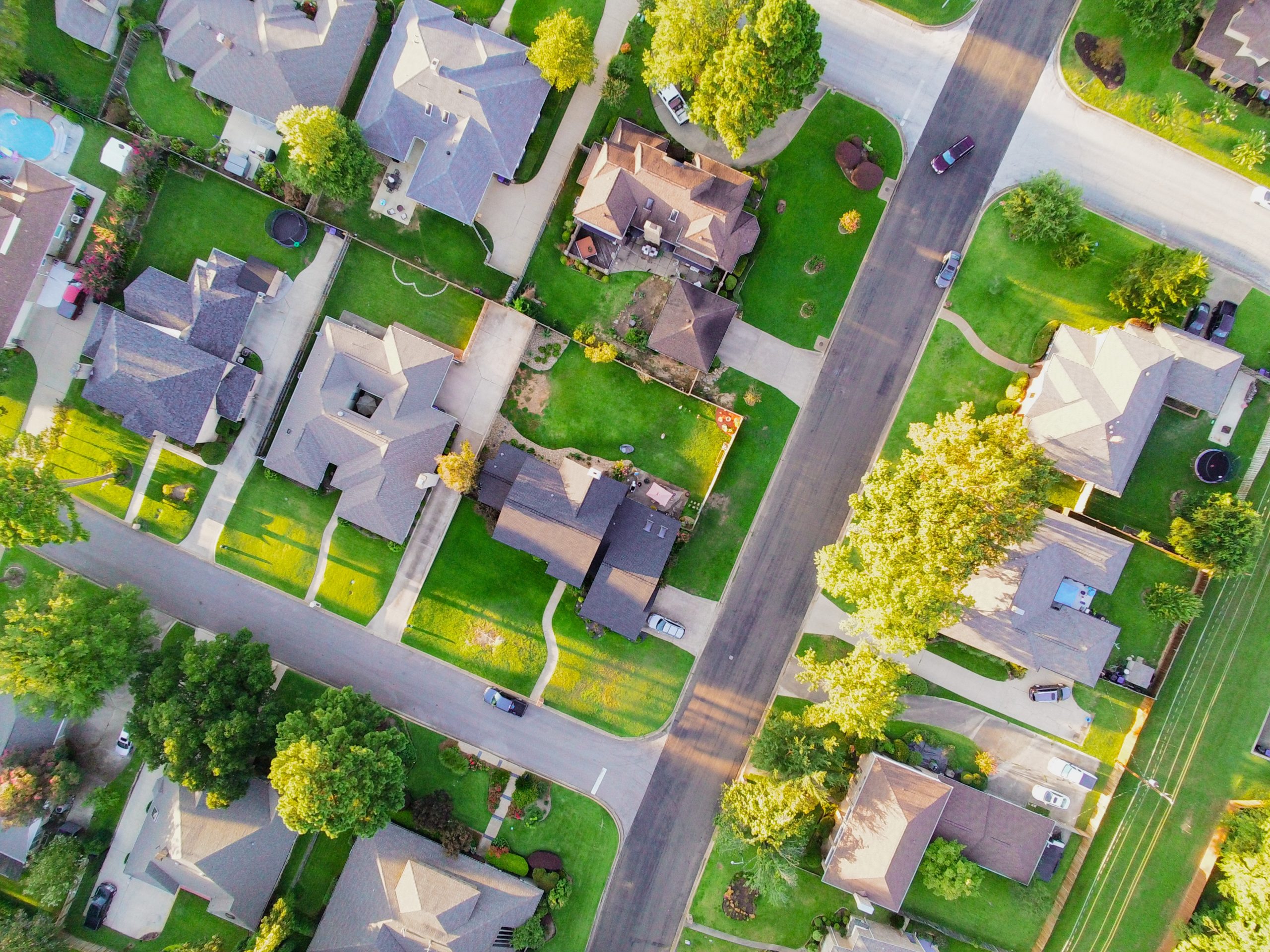
The saying “location, location, location” is more than a real estate cliché. It deeply affects a property’s value, comfort, and potential.
When purchasing a home or investing, your chosen neighborhood impacts both your lifestyle and investment returns. Let’s explore why location matters and what to keep in mind when picking a neighborhood.
1. Proximity to Work and Essential Amenities
Living close to work reduces commute time and costs. Plus, having essentials like grocery stores, pharmacies, and hospitals nearby enhances daily convenience.
2. School Districts
The quality of local schools is essential for families with or planning to have children. Top-rated school districts can raise property values. Even without kids, investing in areas with reputable schools is wise.
3. Safety and Security
A safe neighborhood is crucial. Check local crime statistics, chat with future neighbors, and try visiting at various times to get a feel for the area’s safety.
4. Future Development and Growth
Property values tend to rise in areas planned for development or infrastructure upgrades. But, watch out for excessive development that might increase traffic or reduce green spaces.
5. Lifestyle Needs and Cultural Fit
Do you prefer a lively city, a peaceful suburb, or a countryside retreat? Choose a neighborhood that fits your lifestyle, interests, and cultural tastes.
6. Property Taxes and Cost of Living
Neighborhoods vary in property taxes, impacting your monthly costs and home affordability. Also, think about the area’s overall living expenses, from utilities to everyday items.
7. Resale Value and Investment Potential
Even when purchasing your dream home, it’s good to think about its resale value since life can be uncertain. Certain areas may see quicker value appreciation due to demand, economic progress, or local factors.
8. Noise Levels and Environment
Living near highways, airports, or business zones might mean more noise. On the other hand, areas near parks, lakes, or greenery often provide a peaceful setting and cleaner air.
9. Local Community and Social Aspects
Connect with locals or stop by community centers to sense the neighborhood’s atmosphere. A welcoming, tight-knit community can enrich your living experience.
10. Public Services and Utilities
Essential services like water, electricity, and sanitation are crucial. Check if the area has frequent disruptions or problems.
Choosing the right neighborhood goes beyond the house; it should fit your lifestyle and values. Using the given factors, you can make a confident choice on where to live.
Home Renovations: Which Upgrades Increase Property Value the Most?

When homeowners consider investing in home renovations, one of the foremost questions on their minds is the return on investment (ROI). Not all upgrades are created equal, and some will bring more value to your property than others. If you’re contemplating a renovation with the aim to increase your home’s resale value, it’s essential to know which projects are worth your time and money. In this blog, we’ll explore the top home upgrades that can significantly boost your property value.
1. Kitchen Remodeling
The kitchen is often called the heart of the home. Modern buyers seek updated kitchens with quality fixtures, spacious countertops, and energy-efficient appliances. A minor kitchen remodel can recoup about 80% or more of its cost in added value.
2. Bathroom Upgrades
A well-designed bathroom can make a home stand out. Updating old fixtures, tiles, and adding modern touches like walk-in showers can have a significant impact on the property value. On average, bathroom remodels offer over 60% ROI.
3. Adding Living Space
Whether it’s a loft conversion, a finished basement, or an extension, additional living space is a top draw for potential buyers. These renovations not only add square footage but also increase the overall functionality of the home.
4.Energy-Efficient Windows
As energy conservation becomes a priority, installing energy-efficient windows is a smart upgrade. They not only save homeowners on utility bills but also offer around 70% ROI upon resale.
5. Landscaping Improvements
First impressions matter. A well-maintained garden with mature plants, a manicured lawn, and decorative touches like water features can increase a home’s curb appeal and overall value.
6. Hardwood Flooring
Many buyers today prefer hardwood floors for their aesthetic appeal and durability. If your home has old carpets, consider replacing them with hardwood or refinishing existing hardwood floors to shine.
7. Upgraded Insulation
Proper insulation ensures a comfortable living environment and leads to savings on energy bills. Buyers recognize the value of upgraded insulation, and this improvement typically offers a high ROI.
8. New Garage Doors
While it might sound minor, a new garage door can enhance the aesthetic appeal of a home and offer a return of over 90% of its cost.
9. Outdoor Deck or Patio
Especially in areas with pleasant climates, an outdoor deck or patio can act as an extension of the living space, offering a place for relaxation and entertainment.
10. Smart Home Technologies
As technology continues to evolve, integrating smart home systems such as thermostats, security systems, and lighting can make a property more attractive to tech-savvy buyers.
Tips to get your Home Improvement right.
When it comes to home upgrades, the big question on homeowners’ minds is: Which ones give you the most bang for your buck? Let’s face it, not every renovation puts a hefty dent in your home’s value. In this article, we have covered the top-notch renovations that can truly elevate your home’s overall worth.
Want to know how much your home is worth today? Check out our tool!
Fall Home Decor: Cozy Aesthetics for the Cooler Months

As the leaves begin to change and the air turns crisp, it’s time to embrace the warmth and comfort of the fall season by updating your home decor. This article delves into the world of trending home decor for fall, introducing cozy aesthetics that will make your living space a welcoming retreat during the cooler months. From color palettes to DIY projects, we’ve got you covered with expert insights and creative ideas.
Cozy Colors for Fall
Fall home decor is all about capturing the essence of the season through color choices. Incorporate warm and earthy tones such as deep oranges, rich browns, and olive greens into your decor. These colors evoke a sense of coziness and nostalgia, making your home feel inviting and snug.
1. Embracing Rustic Red
Rustic red is a timeless fall color that adds a touch of warmth to any
space. Consider using it for accent walls, throw pillows, or even table settings. The rustic red hue brings a sense of tradition and comfort to your home.
2. Mustard Yellow Accents
Mustard yellow is another favorite for fall decor. Add pops of this vibrant color through curtains, rugs, or decorative accessories. It’s a versatile shade that complements various color palettes.
Bringing the Outdoors In
One of the charming aspects of fall is the changing landscape. Embrace nature’s beauty by incorporating outdoor elements into your fall home decor.
1. Leafy Decor
Decorate your space with faux autumn leaves, garlands, and wreaths. These pieces not only celebrate the season but also add a touch of elegance to your home.
2. Wooden Accents
Wooden furniture and decor pieces can create a cozy, rustic atmosphere. Think about adding wooden coffee tables, shelves, or even wooden bowls filled with pinecones and acorns.
Cozy Textiles
When it comes to fall decor, textiles play a crucial role in creating a warm and inviting ambiance.
1. Plush Throw Blankets
Invest in plush throw blankets in fall-inspired colors. Drape them over your sofa or chairs for an instant coziness upgrade.
2. Velvet and Chenille
Opt for velvet or chenille upholstery for your furniture. These luxurious materials are not only comfortable but also scream “cozy.”
Lighting for Ambiance
The right lighting can transform your space into a cozy haven.
1. Warm Edison Bulbs
Replace cool-toned bulbs with warm Edison bulbs. These vintage-style bulbs emit a soft, warm glow that’s perfect for creating a snug atmosphere.
2. Candlelit Evenings
During fall evenings, swap harsh overhead lighting for candles. Their flickering light creates an intimate and comforting ambiance.
Fall Home Improvement Projects to Prepare Your Home
As the fall season approaches, it’s the perfect time to infuse your home with cozy aesthetics that will make the cooler months even more enjoyable. Whether you choose to embrace warm colors, bring the outdoors in, or embark on creative DIY projects, the key is to create a welcoming and comfortable atmosphere. With the tips and ideas provided in this article, you’re well-equipped to transform your living space into a haven of coziness for the upcoming fall season.
Back to School and Real Estate: Navigating the Education-Home Balance

When school bells ring, it’s not just about new books and uniforms – it’s a new school year. For many parents, it’s also time to think about a big question: where should we live? There’s a clear link between where you live and your child’s education. Let’s dive into how to pick a home that also supports great learning.
1. Location, Location, Education
Real estate professionals have long chanted the mantra of “location, location, location,” but when children are involved, that often translates to “education, education, education.” Homes located within the boundaries of top-rated schools often command higher prices than similar homes in less desirable school districts
2. The Quality of Education and Home Values
It’s more than just a school’s reputation. How good a school is can actually affect house prices in the area. If a school is known for great academics, activities, and community work, homes nearby become more appealing, especially to families looking to buy.
3. Beyond Test Scores
Choosing a home based only on school test scores can be limiting. Nowadays, parents also look at class sizes, available after-school activities, and the school’s environment. Since every child is different, what suits one may not fit another. So, when considering a move, it’s important to look beyond grades and understand what else the school offers for overall development.
4. Considering the Commute
When looking for a new home with school proximity in mind, consider the commute. Is the school within walking distance? If not, are there safe routes for biking or public transportation? Remember, a shorter commute can lead to more family time and less daily stress.
5. Future Resale Value
When buying a home, it’s smart to think ahead. Even if you don’t have kids in school, a home near a well-regarded school can be a plus when selling later on. Lots of buyers value good schools, so this can make your home more attractive in the market.
6. Broadening the Horizon
For some families, the best option might be looking at alternative schooling options like charter schools, magnet schools, or homeschooling. This can provide more flexibility in choosing a home location without compromising on the quality of education.
