
 Facebook
 X
 Pinterest
 Copy Link
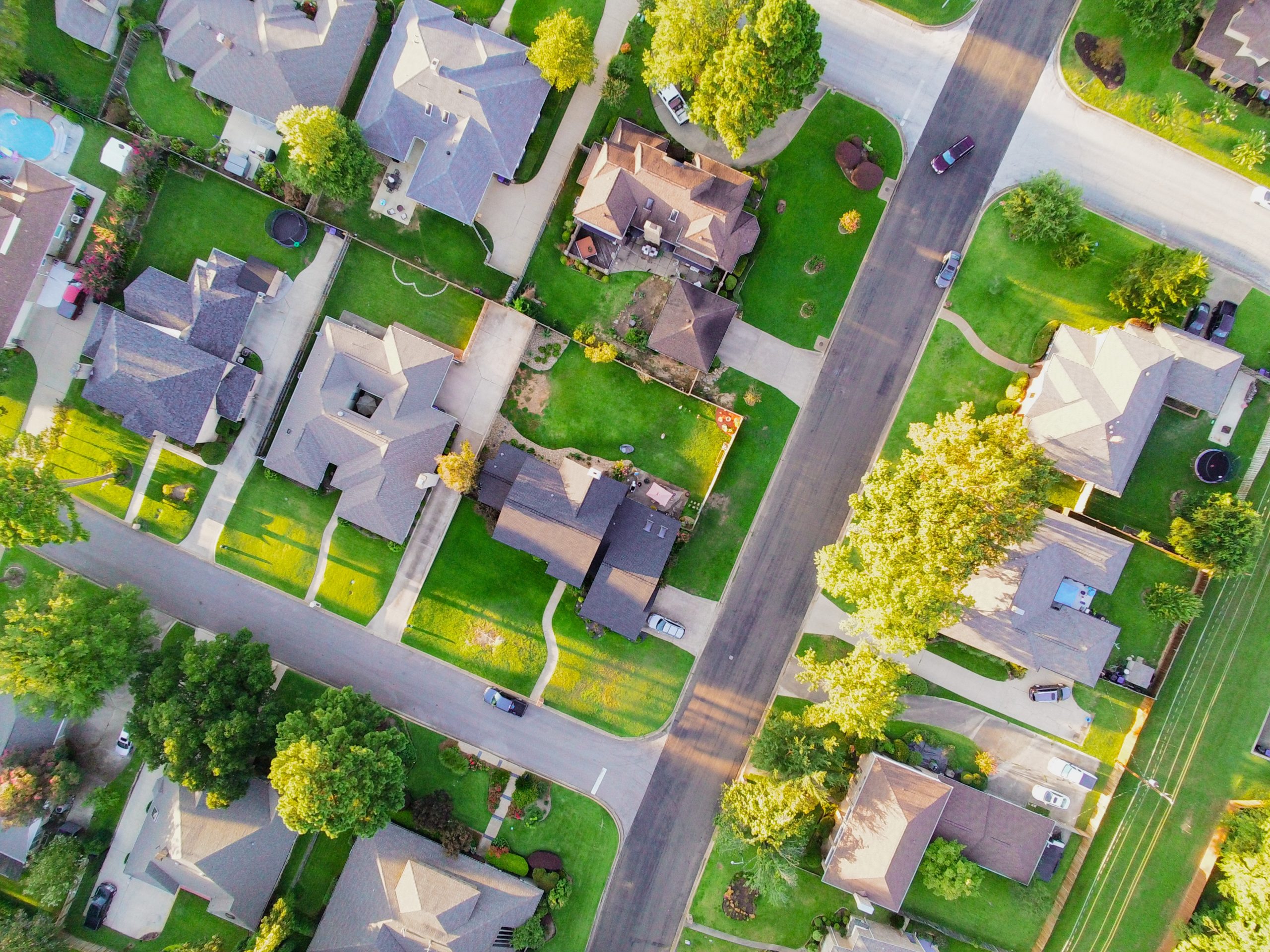
The saying “location, location, location” is more than a real estate cliché. It deeply affects a property’s value, comfort, and potential.
When purchasing a home or investing, your chosen neighborhood impacts both your lifestyle and investment returns. Let’s explore why location matters and what to keep in mind when picking a neighborhood.
1. Proximity to Work and Essential Amenities
Living close to work reduces commute time and costs. Plus, having essentials like grocery stores, pharmacies, and hospitals nearby enhances daily convenience.
2. School Districts
The quality of local schools is essential for families with or planning to have children. Top-rated school districts can raise property values. Even without kids, investing in areas with reputable schools is wise.
3. Safety and Security
A safe neighborhood is crucial. Check local crime statistics, chat with future neighbors, and try visiting at various times to get a feel for the area’s safety.
4. Future Development and Growth
Property values tend to rise in areas planned for development or infrastructure upgrades. But, watch out for excessive development that might increase traffic or reduce green spaces.
5. Lifestyle Needs and Cultural Fit
Do you prefer a lively city, a peaceful suburb, or a countryside retreat? Choose a neighborhood that fits your lifestyle, interests, and cultural tastes.
6. Property Taxes and Cost of Living
Neighborhoods vary in property taxes, impacting your monthly costs and home affordability. Also, think about the area’s overall living expenses, from utilities to everyday items.
7. Resale Value and Investment Potential
Even when purchasing your dream home, it’s good to think about its resale value since life can be uncertain. Certain areas may see quicker value appreciation due to demand, economic progress, or local factors.
8. Noise Levels and Environment
Living near highways, airports, or business zones might mean more noise. On the other hand, areas near parks, lakes, or greenery often provide a peaceful setting and cleaner air.
9. Local Community and Social Aspects
Connect with locals or stop by community centers to sense the neighborhood’s atmosphere. A welcoming, tight-knit community can enrich your living experience.
10. Public Services and Utilities
Essential services like water, electricity, and sanitation are crucial. Check if the area has frequent disruptions or problems.
